

Day 1 — Where to Find Great SaaS Ideas (and how to vet them)
Finding a meaningful SaaS idea is partly craft, partly detective work. The best opportunities usually come from close observation, repeated friction, and an ability to turn manual pain into a reliable, repeatable service. Below is a practical checklist and playbook you can use to harvest real ideas, validate them quickly, and decide whether they’re worth building.
1. Start with your own work and that of your team Your first and best source of ideas lives inside your day-to-day workflows.
● Watch for repetitive manual steps. Ask: “Which tasks take many minutes or hours each day that could be automated?”
● Talk with co-workers, friends, contractors: what chores are they doing manually that feel wasteful or boring?
● Log repetitive requests or support tickets from existing products or services — those threads are often direct blueprints for a useful feature or tool.
A simple exercise: spend three days documenting 5–10 repetitive tasks you or your colleagues perform. For each, write down the exact sequence, how long it takes, and whether anyone would pay to have that work vanish. If a task is routine for multiple people (or companies), you’ve found a potential niche.
2. Mine specialist communities and product platforms for raw signals
Online communities are treasure troves of real questions, feature requests, and unmet needs. Read threads, upvotes, questions and the language people use — that vocabulary often becomes your product’s positioning.
Where to look:
● Product Hunt — monitor new SaaS launches and the discussion around them to see what features excite early adopters – https://www.producthunt.com/topics/saas
● Indie Hackers — founders share wins, problems and “what I built” posts that reveal working, repeatable ideas and monetization patterns.
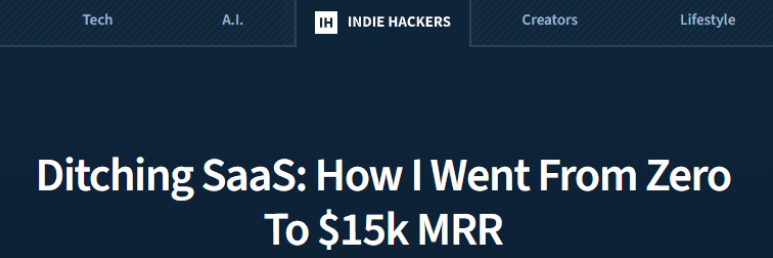
● Reddit (r/SaaS, r/indiehackers, vertical subreddits) — threads there surface painful workflows, “how do I…?” questions, and early validation signals from practitioners. Look for recurring requests and threads that get high engagement.
Actionable step: build a 30-minute daily habit for a week — skim Product Hunt launches, two top posts on Indie Hackers, and top / hot items in r/SaaS. Copy questions verbatim that recur — those are the wording your landing page may later need.
3. Explore verticals and micro-markets (B2B, microbusinesses)
Big markets attract big competitors. Micro-niches — doctors’ offices, notaries, driving schools, niche professional services — are often underserved by general tools and have straightforward problems you can solve.
● Example categories to explore: medical practices (scheduling, patient reminders), real estate agents (lead confirmation workflows), driving schools (lesson scheduling + tracking), local legal offices (document automation), and specialty e-commerce merchants.
● Important: think through scale. A tool that works for one dentist office may require
adaptation and customer success processes to serve 1,000 clinics. Do a feasibility check for each niche: how many potential customers exist in your region/global market, what is their typical lifetime value, and how easy is it to reach them (trade associations, Facebook groups, industry newsletters)?
4. Read market reports for industry pain and trends
High-quality reports (Gartner, CB Insights, Forrester) reveal macro trends, funding shifts, and where buyers are focusing — perfect for spotting rising needs in SaaS.
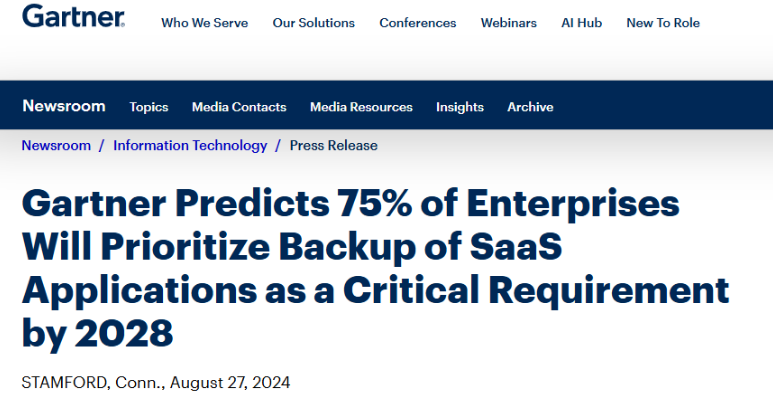
● Read executive summaries and trend maps. Look for statements like “enterprises prioritize X” or “security, privacy, and backup for SaaS apps are rising priorities.” Those signals tell you where buyers are spending. For example, Gartner has published forecasts and guidance noting continued growth in SaaS spending and evolving priorities around backup and app resilience.
● CB Insights and similar research firms publish trend briefs that highlight where venture dollars and acquisitions are moving — use those to identify hot problem areas.
Tip: use these reports to justify a market slide in your pitch deck — they’re credible, citable evidence that a problem is real and growing.
5. Stand on the shoulders of platform ecosystems (Shopify, Slack, Slack apps, etc.)
Many successful SaaS products began as add-ons or apps on top of a larger platform. These ecosystems already have buyers and distribution channels.
● Shopify’s app ecosystem has produced many profitable SaaS businesses (see Shopify app stories and case studies). If you can solve a problem for Shopify merchants (shipping, subscription billing, product personalization), you get immediate distribution and marketing channels.
Look for:
● Frequent app requests or merchants complaining about missing features in platform forums.
● Complementary apps that lack one specific feature you could specialize in.
6. How to decide whether an idea is worth building
A checklist to judge an idea’s potential:
1. Real pain: Do people complain about this workflow in public threads or forums? (Evidence = multiple requests, threads, or support tickets.)
2. Willingness to pay: Would the person experiencing the pain pay to remove it? Small tests: 1) ask in a paid ad or community poll; 2) sell a small pilot or pre-order.
3. Competitive field: If competitors exist, it often means a market exists. Your job is to differentiate — via product simplicity, a specific vertical focus, pricing model, or automation.
4. MVP in 30 days? Good micro-SaaS ideas can be validated quickly. Build a tight MVP, run a lightweight outreach program (email, forums, targeted ads), and see if you can sign 5–10 customers in an initial window.
If you can’t get one of those 5–10 early adopters, the idea usually needs reworking.
7. Popular SaaS categories and what they solve (examples)
Seeing existing clusters helps you map idea to category:
● CRM / Sales automation: Pipedrive, Close — help teams manage leads and pipelines, automate follow-ups, and maintain velocity in sales processes. These are deep automation problems with clear value per user.
● Marketing & SEO tools: Ahrefs — content research, backlink analysis, and SEO automation are classic SaaS plays because they reduce manual research costs and make visibility predictable.
● Analytics & privacy-first tracking: Plausible, Fathom — lightweight, privacy-focused web analytics (micro-SaaS success via clarity of proposition: privacy + simplicity).
These categories survive because their value is measurable: time saved, better conversion, fewer support tickets, or reduced churn.
Again, you need examples of successful SaaS—but not so you’ll exclaim, “OH NO! This is impossible to create! It’s all so complicated!” Your goal is to create a super-simple SaaS and, once you have your first clients, gradually refine it. Once you’ve earned your first dollars, you’ll know everything’s working and it’s worth developing further. This way, you’ll move step by step toward success.
8. Micro-SaaS examples — small teams, big results
Micro-SaaS businesses are typically single-product, founder-run products that target a tight niche. Fast success stories to study include (public writeups and founder journeys are available online):
● Bannerbear — image automation API for generating visual content at scale; journey documented by the founder and publicly shared growth milestones. Great example of a tool that solves a specific content automation need.
● Plausible and Fathom — both privacy-friendly analytics tools that tapped the growing desire for lightweight, GDPR-friendly analytics.
● Cal.com — an open, developer-friendly scheduling platform that carved space against incumbents by focusing on extensibility and community.
(When you publish, include short founder interviews or links to their public post-mortems — those pieces are invaluable learning material.)
9. A practical, 3-day sprint to discover ideas
If you need to find and validate an idea fast, run this three-day sprint:
Day 0: Prep
● List 10 repetitive tasks from your life/colleagues. Pick the top 3 that feel most painful.
● Decide which vertical(s) you’ll scan (e.g., local healthcare, e-commerce merchants, indie creators).
Day 1: Community harvest
● Spend 3 hours scanning forums: Product Hunt launches, Indie Hackers top posts, r/SaaS top threads. Capture exact quotes and questions.
● Compile a list of 10 problem statements that show up multiple times.
Day 2: Market signals & competitive check
● Search for existing tools addressing each problem (Google, Product Hunt, Shopify app store). Note pricing and gaps. Use Shopify app stories to spot repeat patterns for merchant needs.
Scan a relevant industry report or summary (Gartner/CB Insights) for alignment with macro trends.
Day 3: Quick validation
● Create a one-page landing page (no code tools like WordPress). Describe the solution, benefits and a “Get early access” CTA.
● Run a small outreach test: post the idea in the SaaS community thread you harvested, for example on reddit.com/r/saas and see whether you can interest 20–50 persons there and optionally run a small ad test. If 5–10 people sign up or express interest, you have an early signal.
● If you get 5–20 committed trials or preorders, you can confidently move to a 30-day MVP.
The upcoming lesson will be even more engaging. Follow the link to keep learning.