Building an AI SaaS solution no longer requires a large team of developers and months of development. You also don’t need to spend a huge budget on developing a micro SaaS solution. You can do it all yourself.
Of course, there are still many nuances to consider when building and launching your project, but today, everything has become hundreds of times simpler than it was before the advent of AI.
This guide will help you navigate a practical roadmap to turning your idea into a working and powerful AI SaaS product, test its value for your future clients, and get your first paying users within 30 days of starting development. All this without complex coding or a complicated infrastructure.
Day 1 – 3: Finding and Validating Your AI SaaS Idea
Our modern internet is full of routine tasks, and company employees, as well as anyone who does business online, want to automate them. This allows them to speed up many work processes, and of course, they’re willing to pay you to solve these routine tasks using AI-powered SaaS tools.
You can also already use some micro SaaS in your work and pay monthly fees for its use. This allows you to move faster in solving problems in your online business with AI-based SaaS solutions.
Now consider why you or someone else uses a specific AI SaaS solution that generates excellent profits for the owner of that AI SaaS business. Try to explain its value to users and why they are willing to pay monthly for its use.
This will help you understand what the market actually wants, and this will be your starting point for understanding how to create and launch similar AI SaaS apps and programs in today’s market.
At this stage, it’s also important to clearly understand what type of product you’re planning to build. The strategic difference between a full-scale AI SaaS platform and a focused micro-SaaS directly affects validation speed, monetization, and growth potential. If you’re unsure which model fits your idea best, this detailed breakdown explains the key differences and trade-offs between them: AI SaaS Platform vs Micro-SaaS: How to Build, Scale and Monetize Your Product Successfully
Below you can see a specific graph showing how the SaaS market shares are distributed at the moment.
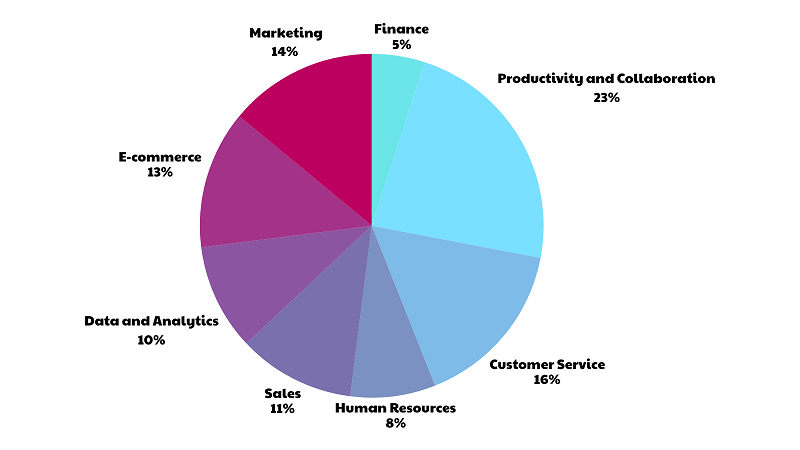
However, the chart can’t accurately predict which micro AI SaaS project will work best for you. To find out, you simply need to look at existing AI SaaS products already on the market and consider them first.
a) How Quickly SaaS Became Successful
The first thing you should pay attention to is how long it took the AI SaaS project to become popular. If it’s already reached $20,000 in MRR in 6–12 months, that’s rapid growth, and you need to pay attention to why.
b) Understanding Promotion Methods
So, your second step is to determine why this rapid growth occurred. That is, you need to figure out what promotion methods the owner used to enable their AI SaaS product to grow so quickly and become profitable.
c) Why Users Chose This AI SaaS Solution
The third step is to look at the useful features of the AI-powered SaaS software, which is already used by hundreds, maybe even thousands, of users. Sometimes you can test several free AI SaaS tools yourself to understand why they’ve become popular. This is very helpful in understanding which MVP to build for your future target audience.
Now you should have a clear picture of how to build your micro AI SaaS project to ensure its success.
Day 4 – 6: Selecting a Domain, Hosting, and Creating a Website for an AI SaaS Project
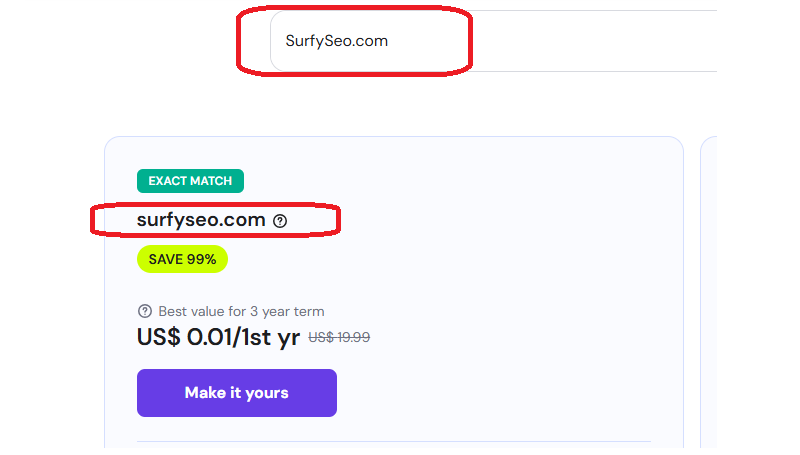
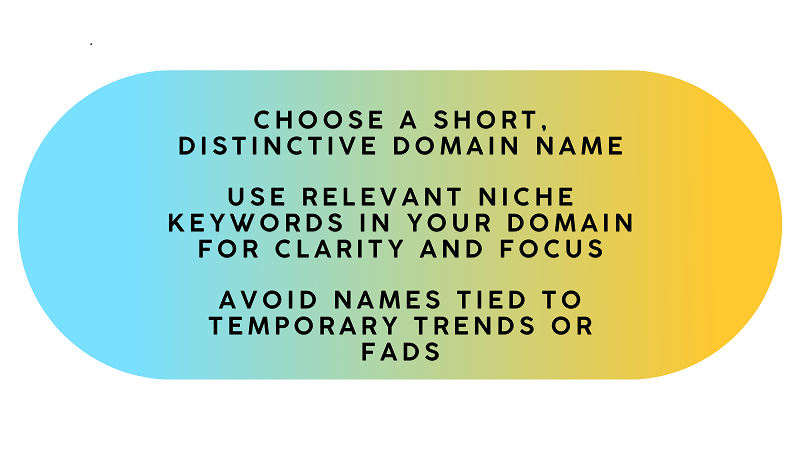
For some, choosing a domain may seem easy, and for others, difficult, but in fact, you need to understand several nuances, namely:
a) The Domain Name Should Be Short and Memorable
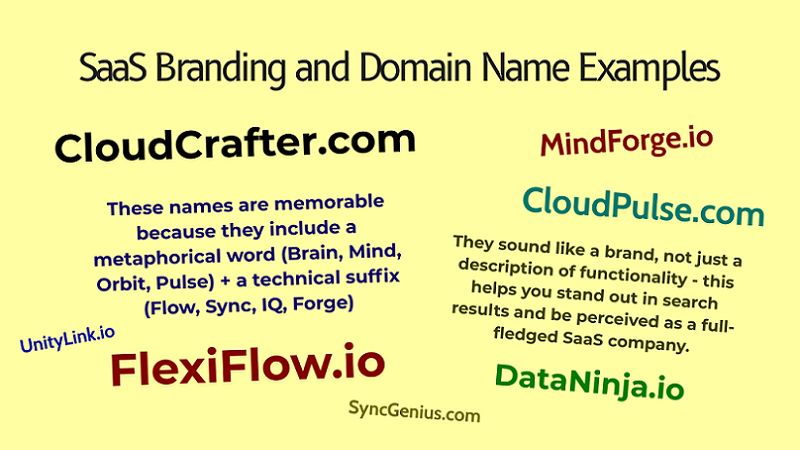
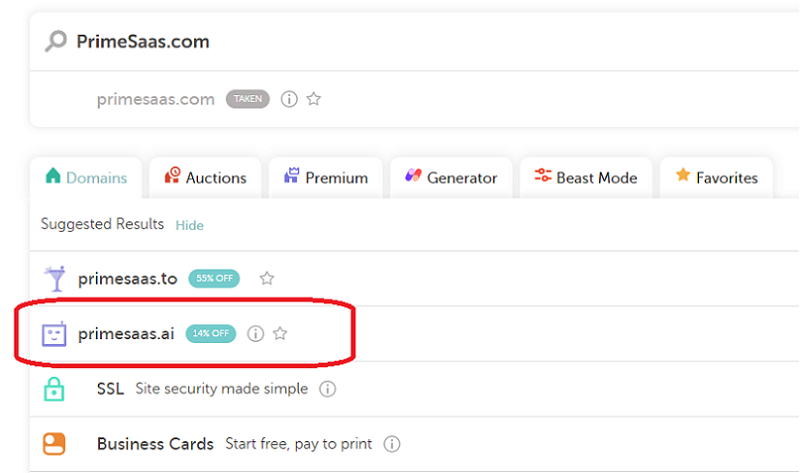
Choose your domain name carefully because it reflects the essence of your AI SaaS business. If it’s long and confusing, it will confuse users. Try not to limit your imagination to just .com or .net extensions, but make sure they resonate with you and your users.
b) Use Niche Keywords in your Domain Name
A unique domain name allows you to differentiate your AI SaaS product from your competitors. Furthermore, the right niche keywords in your domain will help your target audience find your AI-powered SaaS solution faster. Essentially, you’ll attract only the right clients for your business. If you want a deeper breakdown with practical examples, check out our detailed guide on how to choose the best domain name for your AI SaaS project.
c) Avoid Trendy Names that may Become Outdated
Trendy names are often based on current fads, popular slang, or viral phrases. While they may feel excited at the moment, trends can change quickly over time. A domain that relies on a trend might seem outdated or irrelevant in a few years. Choosing a timeless name ensures your AI SaaS brand remains professional and recognizable long-term.
When choosing hosting for your AI SaaS project, you’re initially choosing a less expensive but reliable hosting solution. Let’s look at what we mean by “reliable.”
The speed of your pages loading and security—where your data and that of your clients are protected—are crucial here. It’s also crucial to have ongoing technical support available, so if you have any questions about your hosting, you can contact them via live chat and get answers.
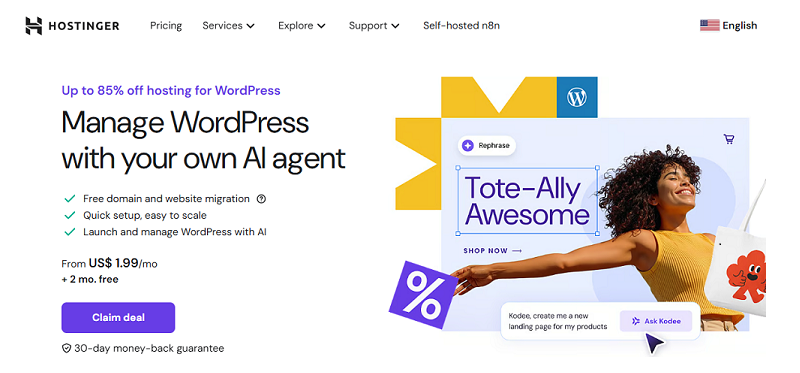
In fact, when developing a simple micro SaaS website, the cheapest standard hosting will be sufficient. I recommend choosing Hostinger
The price is practically a gift, because $1.99 + 2 extra months is a very small price and it will suit you.
What are the benefits and what exactly do you get?
a) You can create up to 3 websites simultaneously.
b) You get 20 GB of space for your files on your SSD drive.
c) 2 Mailboxes for your website
d) Free domain for 1 year of hosting
e) And much more that you can find out about on the Hostinger service itself.
Our service also chose Hostinger because it offers a number of advantages over other hosting providers, including WordPress optimization, stable uptime, Cloudflare integration, daily backups, and automatic SSL and HTTPS. However, even if you’re a beginner starting your own micro SaaS project, simply setting up a website and creating a dedicated email address is enough to kickstart your web project. This is all done virtually automatically with Hostinger. That’s its main goal—to make things as easy as possible for everyone.
Once you’ve purchased hosting space, the next step is installing WordPress. This is done automatically when you purchase web hosting for your AI SaaS project.
WordPress is popular worldwide because it’s easy to use, flexible, and suitable for any type of website. Plus, it has many useful plugins.
It allows developers and beginners alike to build, scale, and manage projects efficiently with a huge ecosystem of themes and plugins.
Hostinger is optimized specifically for WordPress, offering fast performance and high stability for WordPress themes.
An essential step in website creation is creating a showcase where you’ll tell your future customers about your product and what they’ll get when they purchase it. To achieve this, you need to fill your site with the right content.
You choose any free WordPress theme, like Phlox, and then select a child theme to match it and install it on top. Everything starts working.
Phlox has a ton of different templates, and you can choose one of the free ones for your AI SaaS project.
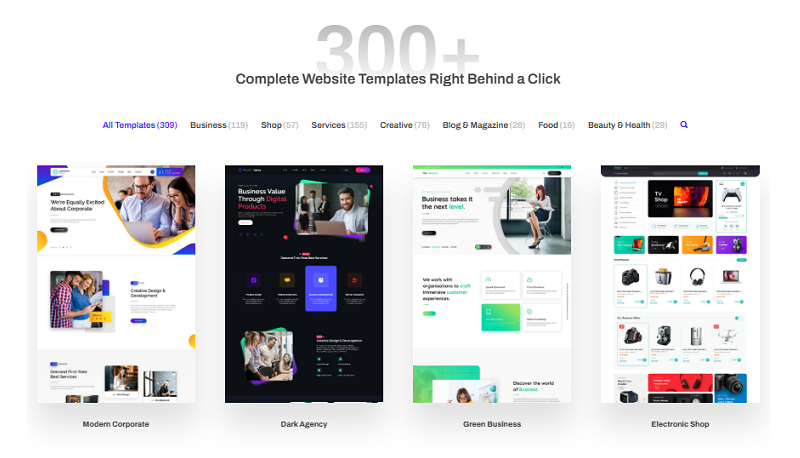
Phlox has a ton of different templates, and you can choose one of the free ones for your AI SaaS project.
Let’s go over how it all works step by step:
a) WordPress – is the engine on which everything works, that is, you install your WordPress themes and plugins on it.
b) Phlox is a Premium WordPress theme, or, in simpler terms, it’s a design plus functionality on top of WordPress.
c) Child Theme is a child WordPress theme that is installed on top of a Premium Theme.
Next, it’s very easy to start adding sections to your website using Elementor.
You’d definitely want to know what Elementor is. It’s a visual web page builder for WordPress that lets you create websites with a drag-and-drop interface. It all works in real time, without any coding knowledge. It’s used worldwide because it’s flexible, fast, and beginner-friendly.
The next step is to create 4-5 simple but essential sections on the website. You’ve created your first SaaS solution, and now you’ll create a clear hero section that explains in one sentence what your product is about. The next section explains what your SaaS solution does and how it solves user problems. Social proof and testimonials build trust. Next, the pricing section is crucial, where website visitors decide whether to subscribe to your product. Also, don’t forget the footer, where you also place the main links to important supporting pages on your website.
Day 7: Creating Privacy Policy and TOS Pages
Every AI SaaS project works with algorithms and user data that make decisions or make recommendations. Terms of Use and Privacy Policy pages formally explain how the project operates, what data it may collect, and what it may use. This explanation protects both the user and the company from legal risks.
At first glance, it may seem that these pages are unnecessary for your micro SaaS business, but it’s best to create them from the start and thoroughly describe everything in them. As your business grows, you’ll need at least this level of protection.
a) Terms of Use are important for your project
This page contains information describing the terms of service use, the responsibilities of the parties, content restrictions and rights, payment and subscription terms. This is, of course, important for any SaaS project, as AI can produce results that aren’t always perfect. The user can understand that the service is provided as is. The company is protected from claims that may be unfounded or far-fetched.
b) The Privacy Policy page is also important
A privacy policy explains what data is collected (e.g., in-app behavior, analytics), what data is protected and where it is stored, with whom the data may be shared (e.g., integration with other services), and how the user can manage the data. This is critical for an AI SaaS project because the AI works with sensitive or personal data. Without a transparent privacy policy, the project risks violating laws (e.g., the GDPR or the CCPA). Transparent information on this page increases user trust.
c) Legal protection and investor confidence
Having these pages reduces the risk of lawsuits and demonstrates that the company takes its responsibility to its users seriously. This increases the trust of investors and partners. As your AI SaaS project grows, you’ll see how this can help it gain greater trust from international partners.
d) What else is important when creating a TOS and Privacy Policy?
There’s no need to write in complex language, but if you need to explain something using complex legal terms, don’t be afraid to do so. Update information as your project grows if you feel it’s necessary. Make pages easily accessible on the website.
Day 8: Creating a Sign Up Page to Collect Subscribers
Many newbies start by creating their own micro SaaS project and launch it right away. This approach can also be used to sell directly, but it’s better to create awareness of your AI SaaS project before you launch.
To do this, create a subscription page and a free product. This could be a basic version of your product or simply a PDF file in the form of an e-book where you explain the various features of your product. This way, you build an initial audience, which will make it easier to sell subscriptions at the start.
All this creates anticipation and gradually forms the basis for further marketing.
a) Preparing an email newsletter
Your task is to prepare a subscription page, and you can simply create a separate page on your website with all the information about what materials subscribers will receive after subscribing.
These people have already shown interest in your product, and you can communicate with them via email. This way, you’ll warm up your audience, converting those already interested in your free product or PDF file into users who will be ready to purchase your paid product right away.
b) Building trust and expertise
A subscription page and automatic emails sent every 2-3 days to your subscribers are a chance to demonstrate the value of your product and your team’s expertise even before the launch of your AI SaaS project.
You can send videos demonstrating the benefits of your AI SaaS service, and this way you begin to build trust with your target audience. Users begin to trust your expertise, and some will even purchase a subscription to your paid product at launch.
c) Preparing for a successful launch
Before launching your paid product, you no longer need to worry about how to attract paying subscribers. You already have a potential customer base.
You simply notify your subscribers about the release of your AI SaaS project and begin collecting initial feedback, activating paid subscriptions.
This increases conversion and accelerates subsequent project growth immediately after launch.
Day 9 -11: End-to-End Website Creation for an AI SaaS with Required Plugins
You’ve already chosen a specific WordPress theme and a child theme to create your website. You’ve also decided on the specific sections you want to create, and now it’s time to install the necessary plugins, which are literally essential for working with AI-powered SaaS projects.
a) WPS Hide Login
There’s a plugin that allows you to replace the default admin login /wp-login.php with any other login. This means anyone who knows the default admin login will no longer be able to access it. This plugin is enough for you to launch your micro SaaS project and protect yourself for now. It’s also important to save the login address you set in the plugin settings. Otherwise, you won’t be able to access the admin panel if you forget it. If you do forget it, you can deactivate the plugin at any time through your file manager. Then everything will be restored.
b) Yoast SEO
This plugin offers a variety of useful features. It helps you set up a sitemap and optimize your website for search engines. It makes SEO more understandable and accessible, even if you’re not an SEO expert. When starting your micro SaaS business, the free version of this plugin will be sufficient. It also helps analyze your articles and has a number of options that automate many SEO processes. It also easily integrates with other tools such as Google Search Console, Elementor, and WooCommerce. While this plugin doesn’t guarantee rapid traffic growth, it is truly indispensable when working with your website and editing content.
c) Royal Addons for Elementor
This is a plugin that extends the standard functionality of Elementor pages in WordPress. This means you no longer need to create pages for your site yourself; instead, you can use ready-made pages and sections from this package, embed them in your site, and customize the design as desired. This plugin requires no coding knowledge and is useful for both beginners and developers.
We’ve already discussed what a website’s homepage should look like, but let’s also consider what else needs to be done.
To start your project, you only need three pages: a Homepage, which will be your key webpage; a How It Works page; and a Blog, which you’ll need to share your expertise about.
Also, create an inbox and an AI chat on your website that will automatically answer your clients’ questions.
Design your website in a style that makes it more customer-focused. Many people create websites to tell more about their company. You need to make sure your customers understand that you’re showing them your product in a way that will be valuable to them. So, always strive to be customer-focused in your design and copy.
Day 12 – 14: Capturing Early Users for an AI SaaS Through a Signup Page
You’ve likely already read various recommendations on how to attract people through social media, or how to launch paid advertising and spend money on it. Again, you may be unsure whether the advertising will be effective. Moreover, some of you don’t even know how online advertising works or how to set it up.
However, there is a way that allows you to easily and inexpensively gain your first subscribers before launching your product.
It’s best to start gathering loyal users 2-3 months before the launch of your paid product. This way, they can test your free version, read about your product in a PDF file, or watch a video where you explain what the initial version of your paid product will look like. In any case, you need your first subscribers, and we’ll learn how to get them right now.
a) X
Surprisingly, it’s very easy to attract subscribers for AI-focused SaaS projects through X.com (formerly Twitter). You don’t need a huge audience to do this. Even 50–100 followers are more than enough to get started. To begin, publish 30–70 tweets and add one new post every day about how you’re building your SaaS, along with a few stories from your daily routine. So, you don’t need to try to accumulate tens of thousands of followers. The key is to follow 50-70 similarly popular niche profiles and see what other people are commenting on. Then, simply send them a DM to try to solve their problem, usually related to SaaS, and gradually, through conversation, invite them to subscribe to your newsletter. Usually, everyone readily agrees since it’s free. This way, you gain 30-40 subscribers per day.
b) LinkedIn
Start writing about your SaaS on LinkedIn. Present it so users can see how it works and the value your SaaS will bring early on. Divide it into posts with insights and case studies, followed by long-form articles where you talk about the product itself. Also, include visual content in the third article format, as it gets more reach. If you already have connections, such as B2B, you can use direct messages, but the key is to provide value rather than spam. Also, find groups related to your product and leave helpful comments, gently including a subscription link.
c) Free Version for Large Online Corporations
As crazy as it may sound, you can try distributing a version of your SaaS product to owners of large corporations at the start. They’ll be happy to test your product and likely talk about it on their blogs. This will be very profitable for you, and it won’t hurt that you’re giving them access for free. If 10-15 large online corporations write about you, it’ll be a huge success. You can find the contact information for these corporations publicly. The key is to understand who to contact, as your SaaS product may be targeted at a narrow audience, for example, and you need to understand what exactly to tell them. But in any case, this approach will work if you do it wisely.
Even if you manage to gain two or three hundred subscribers through your subscription page before launching your product, that’s already excellent news. That’s roughly 10-50 paid users at the start, and the conversion rate depends on how you present your product to them.
Typically, the average conversion rate is around 7%, meaning about 15-17 people will become paid subscribers, which is an excellent result. You can confidently say you’ve done a great job. If you have, say, about a thousand subscribers, then you’ve already got about 70 paid users, which is also an excellent result.
Don’t despair if your conversion rate is lower than you expected. This can be influenced by many different factors, such as the type of emails you send to your subscribers, how valuable your SaaS is to them, the price of your product, and so on. Therefore, if your conversion rate was low, you can ask your audience what’s wrong, and they’ll tell you. Then, you can gradually improve various metrics, and you’ll see that after these improvements, everything should fall into place.
Day 15 – 16: Choosing an Idea for Your Micro AI SaaS
When you want to start building a specific AI-based micro SaaS solution, it’s important to first understand what problems other people or businesses are facing.
A good idea almost always stems from a pain point that’s clear and something that people are willing to pay to solve. Here, you don’t need to search for a brilliant concept; it’s much more important to find a specific, focused problem and solve it better and more simply than other AI SaaS businesses.
Let’s look at the main things to pay attention to:
a) Problem and target audience
Many beginners make the mistake of starting with an idea instead of a problem. If you’re building an AI-based SaaS solution, you need a narrow pain point that’s common to a clearly defined group of people. You’re not creating a product for all businesses, but rather, say, “Owners of Online Stores Using WordPress.” It’s also important to understand that your potential client encounters the problem regularly, not just once a year, and that the problem has a significant impact on growth and time. Your client is already looking for a solution to this problem.
b) Willingness to Pay
Micro SaaS relies on a subscription model, so it’s important not only that your SaaS solves your customers’ problems, but that they are willing to pay regularly for it. You can simply check if there are similar services online. Of course, there are, because competition is always normal. Then determine whether your target audience is already paying for similar tools. Does the user directly benefit from them: more leads, time savings, lower costs? If someone says they could use it if it were free, they’re not your target audience. However, if they understand that they’re willing to try a free, stripped-down version of your AI-powered SaaS and are then willing to pay for expanded functionality, then you can engage with them.
c) Simplicity & MVP Speed
Your goal is to quickly create a micro-product that can be launched in just a few weeks. You don’t need complex infrastructure or lengthy development. The best idea for an AI-powered micro SaaS product is one that solves a single core problem rather than multiple tasks. It’s best when it can be implemented as a script or plugin and uses AI as an accelerator.
To conclude, a strong micro SaaS idea lies at the intersection of a specific target audience’s pain point, willingness to pay for a solution, and the ability to quickly create a simple product. If any of these aspects are weak, the idea will always falter. This is where the first free lesson comes in: it explains how to spot SaaS ideas with a narrow scope that can be validated and shipped quickly.
Day 17 – 20: Evaluating Free Solutions for a Micro AI SaaS Project
If you’d like to test your micro SaaS project first, as a founder, you can use free solutions that allow you to do so.
Local development environments such as Localhost and XAMPP are often used early on to develop small business projects and reduce even initial financial costs.
Don’t be intimidated by unfamiliar terms and tools. You can set them up in just a few minutes and understand their practical benefits.
a) Localhost Setup for Early Micro SaaS Development
This is where the magic begins: local hosting allows you to develop AI-powered SaaS entirely on your own computer. You don’t need to buy a domain, connect hosting, or install WordPress on the hosting. All the logic, interface, and functionality will be created locally. This is very convenient during the concept and development phase of the MVP. You don’t spend any money here. You are completely focused on the product and immersed in the process.
b) XAMPP as Simple All-in-One Free Stack
If you’re a beginner, don’t be intimidated by seemingly complex terms. Once you start breaking it down step by step, you’ll realize it’s much simpler than you imagined. XAMPP is a free package that includes a web server, a database, and, crucially, support for server-side programming languages. It lowers the technical barrier to entry and simplifies launching the server side of a micro SaaS project, especially for solo founders.
c) VS Code as the Primary Development Tool
Your entire project is edited in Visual Studio Code. It’s a free code editor. It is used for both the frontend and backend of your AI-powered SaaS project. Suitable for both beginners and experienced developers, it makes development more accessible. It makes editing code more convenient in one place, and it highlights errors. This significantly speeds up development and reduces errors, which is especially important for the rapid development of your SaaS project.
Consider these tools, as they’re free and allow you to launch a micro SaaS project quickly and affordably. They’re incredibly reliable tools to have on hand. This allows you to focus on the idea itself and test it faster. Once your idea is successful, switching to cloud services will ensure the scalability and stability of your AI powered SaaS business.
Day 21 – 25: Creating a Micro AI SaaS with ChatGPT: A No-Code Approach
Building your own AI-powered SaaS with ChatGPT has become easier than ever. You don’t need advanced programming skills to create a working product that solves specific user problems. What matters more than coding experience is your ability to ask precise questions, structure tasks correctly, and guide the AI step by step.
ChatGPT can generate production-ready code, suggest architecture decisions, and even help shape your MVP feature set. For early-stage founders, this removes one of the biggest barriers — technical complexity.
However, while this roadmap focuses on speed and fast validation, building something that scales requires a slightly deeper understanding of how AI components are structured behind the scenes. If you want a detailed breakdown of how to design scalable AI systems and use ChatGPT as the core intelligence layer, read our full guide on how to build scalable AI products without code.
Now, let’s move from theory to practice.
Imagine you want to create a simple WordPress plugin. Here’s how to approach it correctly with ChatGPT.
a) How to Properly Manage a ChatGPT Conversation
To ensure AI gives you the “right” answers, you need to be specific in your questions. Instead of writing, “Create a WordPress Plugin,” you should be more specific, specifically, “Create a WordPress Plugin That Automatically Generates a Table of Popular Posts and Displays It on the Home Page.” Of course, you need to start by understanding which programming languages you’ll use, who the plugin will be useful for, what your project structure will be, and what coding style you’ll use. These clear instructions will save you a lot of time and reduce the number of edits.
b) Planning Your Micro SaaS Project
Before you begin, it’s best to outline all the details you plan to include in the project. Decide exactly what features will be in the MVP. You can confidently collaborate with ChatGPT to create a feature list, architecture, and even marketing copy. But again, provide them with clear instructions, and then everything will go smoothly.
c) Creating WordPress Plugins Without Code
ChatGPT allows you to create small AI-powered SaaS projects in just a few days. While this might have previously taken you 1-2 months, now you can do it in just a weekend. Numerous plugins have already been created using AI, and they’ve become incredibly popular immediately after being published on the WordPress Marketplace. As you can see, what was once a difficult barrier to overcome is now a barrier you can easily leap over.
d) Rapid Growth of Your MVP
A quick launch allows you to test different ideas and quickly acquire your first users. Now you can analyze dozens of popular plugins and apps online and, based on them, create ones with undeniable potential to become equally popular. ChatGPT will help you create a quick MVP in a couple of days, accelerating your product’s growth.
e) What programming languages to use
If you want to create a micro SaaS project like a WordPress plugin, PHP is usually the preferred choice as the foundation for WordPress plugins. Then comes JavaScript, which is used for interactive elements and the frontend. HTML/CSS are needed for structure and design. When you create everything with No-Code using ChatGPT, you can quickly create entire chunks of code that you use when building your micro SaaS project. All this without extensive knowledge of languages.
f) Speeding Up the Communication Process with ChatGPT
Break down daily tasks into small steps. For example, first, you work on the frontend with AI, then the functionality. Then, you test what’s already working. This way, you move forward slowly but surely. If something isn’t clear, you can come back and ask ChatGPT what’s wrong and how to fix it. It’ll fix it in a jiffy. This allows you to launch and test everything quickly, without any coding knowledge.
ChatGPT allows you to quickly transform ideas into working micro SaaS products without programming knowledge. Asking the right questions and using no-code tools accelerates MVP creation and hypothesis testing.
This approach reduces costs and significantly shortens time to market, helping you focus on results and revenue.
Day 26 – 28: From Free to Paid: Freemius Payment Setup for a Micro AI SaaS
Now your micro SaaS is ready to be presented to the online community in its final form. It’s now ready to drive conversion and revenue growth.
The next logical step is to integrate Freemius, which has a built-in structure for converting free users into loyal paying customers.
Here, you can build a proper, live sales funnel using the many useful features Freemius provides. If you want to understand the practical side of this process — from connecting the SDK to configuring plans and licenses — this step-by-step guide explains how to set up Freemius payments for an AI micro-SaaS project.
At this stage, you don’t need to worry about money; it’s important to create the right path for users that will smoothly lead them to payment.
Freemius allows you to test different approaches to premium features, turning payment into a clearly thought-out marketing solution, not just a technical challenge.
a) Here’s Why Freemius Is Ideal for Micro SaaS
Its integration doesn’t require extensive resources, as it was created with micro-online projects in mind. You don’t need to figure out how to connect banking APIs, manage licenses, or track user subscriptions. The platform handles all of this automatically. If you need to know which features your users value, the Freemius platform will collect purchase and activation analytics for you. The documentation is always detailed for a quick launch. Even if you don’t understand the code, you can still quickly connect this payment system.
b) Connecting Freemius in One Day
Integration is very simple and divided into stages. You add your product or SDK to the project, then configure plans, including subscriptions, trial periods, and one-time payments. Before going live, test how payments work and ensure licenses are issued correctly. Then enable real-time payment acceptance. Ultimately, you’ll have a ready-made monetization solution with minimal effort.
c) We define Paid Features and Limitations of the Free Mode
You should always clearly distinguish between the free and paid versions of your product. The free version should always encourage upgrading to the paid version. This means either limiting product functionality or adding a trial period for premium features. However, it’s important for users to see the value of paid options through tooltips in the free product. If a user sees that upgrading to the paid version is better because it solves their problem, they’ll do so.
d) The Path to Conversion of Free Users to Paid Users
The main goal is to motivate free users to take the decisive step toward a paid subscription. Push notifications, emails, and communication with users via the free version of the product are all ways to encourage users to ultimately make their first payment. Special discounts at certain times increase the appeal of paid micro SaaS. You can use timers to create a sense of urgency.
e) Testing and Analytics of Paid Plans
Analyzing user payment data allows you to see which features of your SaaS system are needed and which are not. It’s also important to test different product and subscription prices to determine which is optimal. It’s also crucial to stay in close contact with users to quickly respond to their messages and fix any product issues. This will help you maintain the trust of users and customers. Continuous analytics helps you develop a product growth strategy and increase revenue.
f) Customer Support and Paid User Retention
You’ll reach a point where you start seeing your first sales, followed by a steady stream of sales from your micro SaaS. This is where it’s crucial to provide prompt technical support to customers and work to retain them. You can create a knowledge base or FAQ to help customers quickly find the answers they need. It’s also important to occasionally upgrade your product and add new features to demonstrate the value of their subscription. Retaining paid users is often more effective than finding new ones who may not even have heard of your SaaS.
By properly integrating Freemius, you’ll start accepting payments and create a growth and conversion engine that will work automatically for you.
It’s important to think strategically about your users, demonstrate value, and gently nudge them toward payment. Ultimately, the Freemius platform becomes a scaling tool for your micro-SaaS. This is where the journey to your first paying users and stable revenue begins.
Day 29 – 30: Scaling an AI SaaS to 10–50 Paying Users per Month
You already have an AI-powered SaaS product and a configured payment system. The next step is to notify the users you’ve been collecting via email subscriptions while building your product about the launch.
These people have already shown interest in your product, and they will be the 10-50 paying users in the initial phase of your launch.
This is the moment when you’re not starting from scratch, but rather your product transforms from a project into a business with predictable revenue.
However, attracting your first 10–50 paying users requires a structured approach, not random promotion attempts. If you want a detailed breakdown of the exact tactics, outreach methods, and validation steps that help early-stage founders move from zero to consistent revenue, read our full guide: How to Scale a SaaS Business: Step-by-Step Guide to 10 – 50 Paid Users.
Below, we’ll briefly cover the core channels. The complete scaling framework is explained there in depth.
a) Social Networks for Attracting First Clients
When you’re first faced with attracting paid users, you’re not always choosing the quick and easy route. Some people think they can attract users from Reddit, while others turn to LinkedIn. These are both viable options, but they require following certain rules and understanding how to properly attract your first paid users. However, even social media platforms like Instagram, with a quick profile setup and daily posting, can generate paid users within 1-3 months.
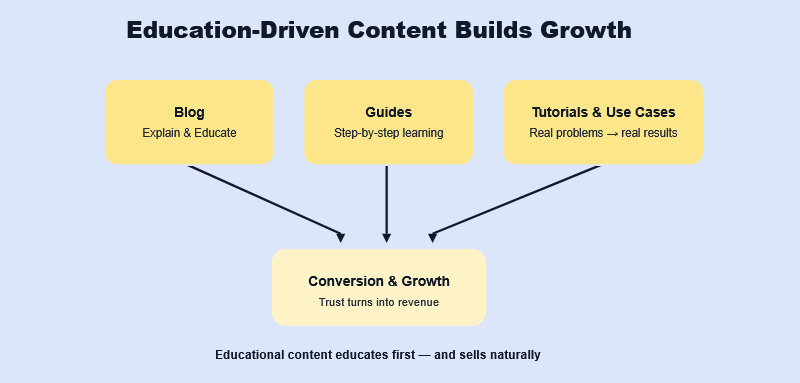
b) Your Blog Is A Traffic Generator
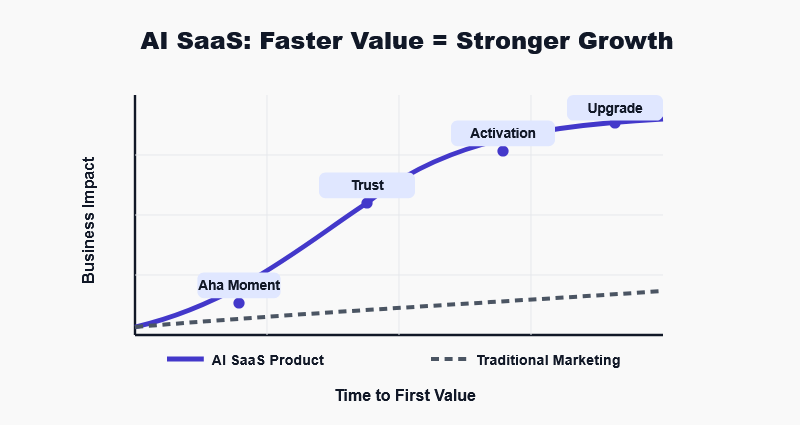
In our modern world, writing articles quickly is no longer a myth, but a reality. AI can create lengthy guides useful to your users for you. All you need to do is choose the right keywords and optimize your website for search queries. Your users will find you through Google, and realizing that your article describing the actions of your micro SaaS was useful, they will ultimately buy your product. This approach works especially well for AI products, where marketing is built around real product value, fast activation, and trust — not traditional advertising mechanics. Thus, by publishing short articles month after month, you attract more and more new users to your website, and your profits grow.
c) Direct Tactics for Contacting Potential Clients
If your product solves a specific business problem, direct contact with the target audience works better than any other channel. Let’s imagine you’ve created a micro SaaS that writes articles and optimizes them for SEO. You contact editors and content managers at large corporations directly with an offer to test your SaaS. Within a month of active operation in this mode, you could potentially attract 30-60 paying users. It all works without running paid advertising on your part. It’s important to personalize your messages, mention the problem, and demonstrate how your product solves it. This approach takes time, but the results are worth the effort – you gain high-value clients.
Gradually, you transform your micro SaaS from a prototype into a live business. SEO attracts organic traffic, and email subscriptions become the basis for your first paying customers. Manual contact with your audience also plays a significant role. Ultimately, you’ll have an effective sales funnel that ensures growth and stable revenue.
Final Thoughts
Building a SaaS product from scratch in 30 days without heavy coding isn’t just theory. It’s a realistic, achievable action plan.
You already know how to turn an idea into a prototype. Test the value of your SaaS product, and attract your first users. Now you can confidently move forward.
Every day gives you a mini-result, bringing you closer to launching your SaaS product. Don’t wait for the perfect moment; improve your product on the fly and take action as you go.
An AI SaaS product doesn’t require millions of dollars in investment at the start. All you need is the desire to win. So start today, and in 30 days you’ll have your first paying users, confirming that your idea is valuable and needed by customers.
Remember that ideas without action are just dreams. Take the first step, and the journey will be yours.